You turn on your handheld vacuum to clean a stray patch of sand or dust on your dash, and a wave of stale, sour, moldy air blasts directly into your face.
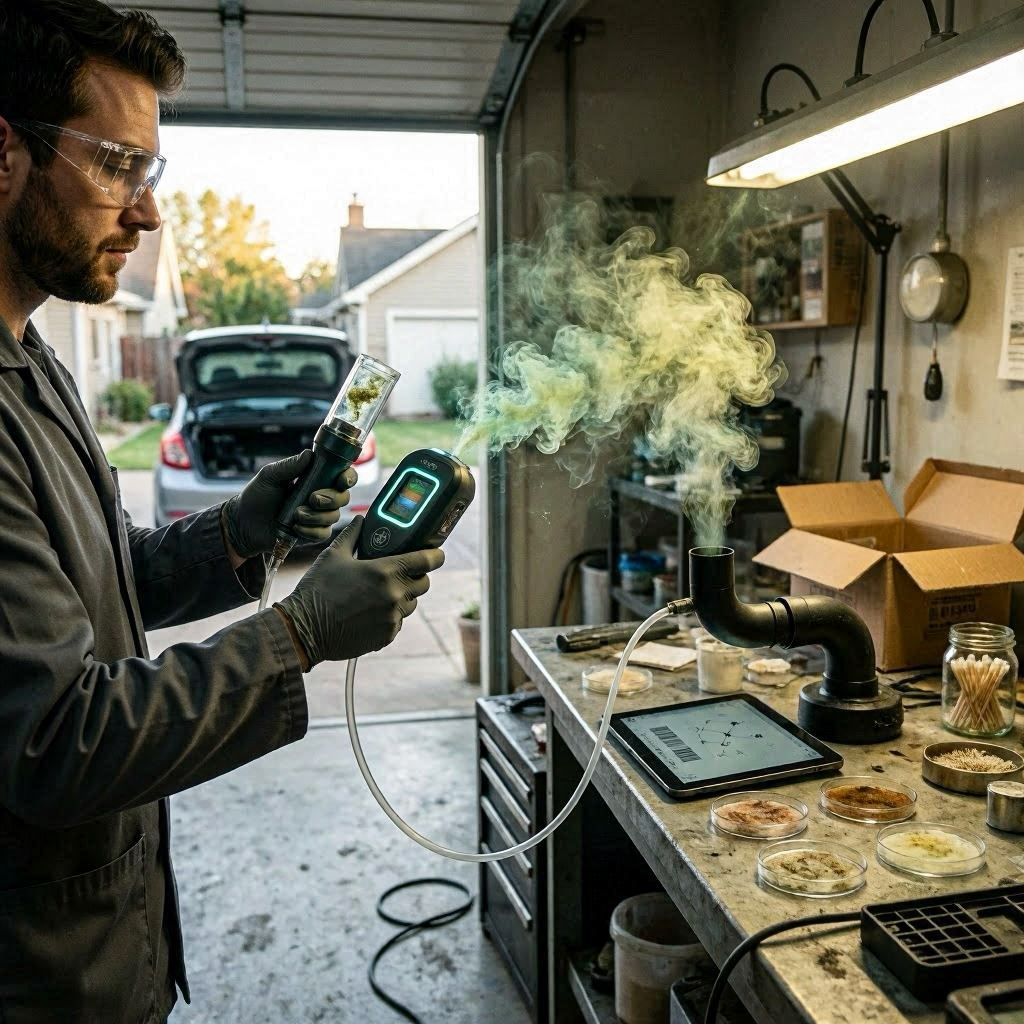
That foul exhaust smell is a biological warning sign.
When a portable car cleaner begins to smell like a damp locker room, the issue stretches far beyond a full dirt cup. The porous structure of a HEPA filter is designed to capture microscopic particles, but inside the humid, sealed environment of an automobile, that very filter transforms into an accidental incubator for organic decomposition.
If your vacuum has turned into a scent weapon, let’s look at the underlying science of filter saturation, the modern car interior factors driving this decay, and direct answers to common maintenance misconceptions to keep the best portable car vacuum smelling completely neutral.
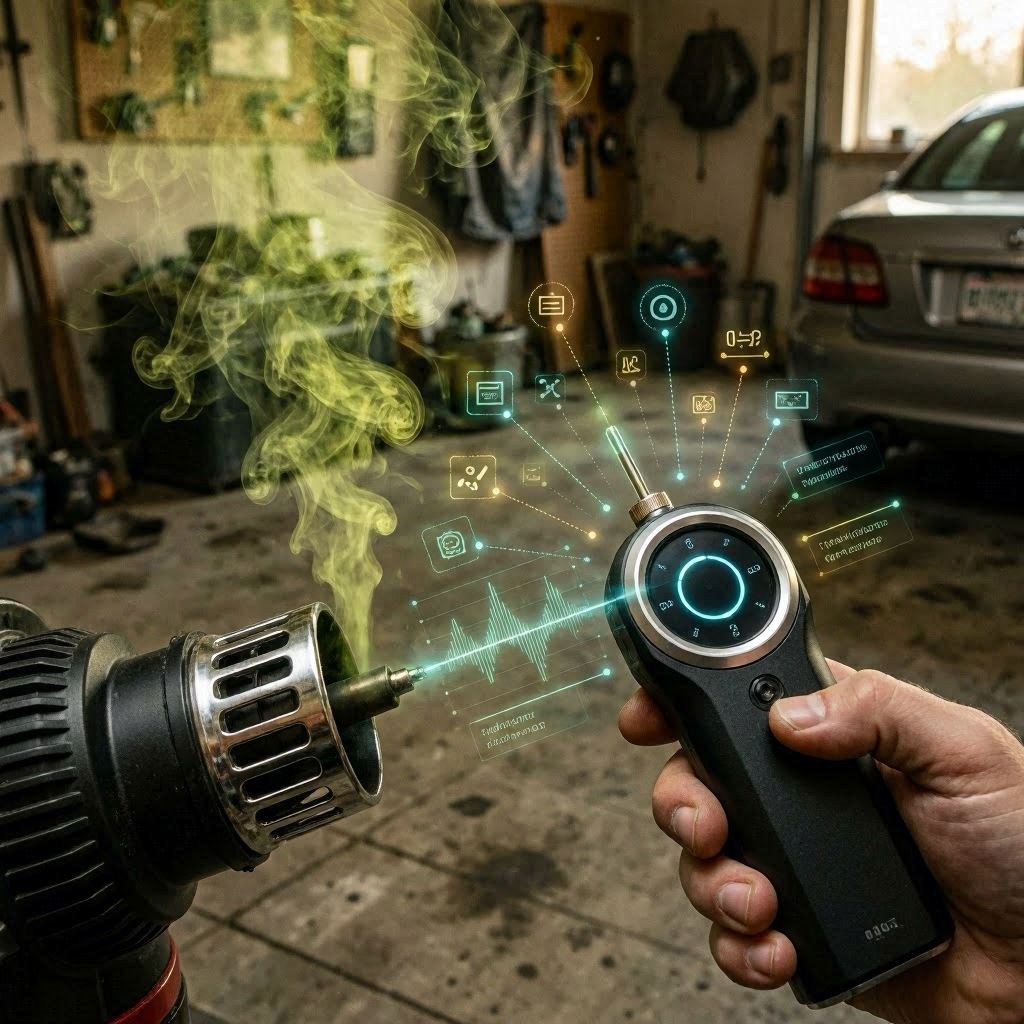
1. The Microscopic Trap: Why HEPA Filters Accumulate Smells
To fix a foul-smelling exhaust stream, you must understand how a High-Efficiency Particulate Air (HEPA) filter works under the hood.
Incoming Air: [Micro-Moisture + Food Oils + Pet Dander] ---> [Dense Glass-Fiber HEPA Matrix]
                                                                        |
                                                         (Particles Trapped in Close Quarters)
                                                                        |
Organic Decay: [Heat In Enclosed Handle] <--- High Humidity ---> [Bacterial & Mold Colony Growth]
A HEPA filter does not act like a simple wire mesh screen. It is a dense, maze-like matrix of randomly arranged fiberglass fibers.
- The Absorption: When you vacuum your car carpets, you aren’t just pulling up dry dirt. You are sucking up invisible skin cells (dander), spilled beverage micro-droplets, morning coffee vapor, and microscopic food oils.
- The Incubation: These organic materials get wedged deep within the microscopic layers of the fiberglass weave. Because the car cabin provides continuous heat and trap moisture, bacteria and mold spores feed on this trapped organic waste, multiplying rapidly inside the filter layers. When the motor spins up, it forces high-velocity air through this decaying biological layer, blasting concentrated odors out of the exhaust vents.
2. Unseen Issues & Automotive Environmental Challenges
Car cleaning equipment faces a brutal mix of elements that a standard living-room vacuum never encounters:
The “A/C Condensation” Moisture Spike
When you run your vehicle’s air conditioning on a hot summer day, high humidity levels build up inside the footwells and fabric seats. Sucking up even slightly damp dust or floor mat moisture transfers that water directly into the paper-based or synthetic fibers of the vacuum’s HEPA element. Once sealed inside a dark plastic casing with no airflow, mold forms on the filter within 48 hours.
Spilled Latte & Protein Shake Vapor
Liquid spills are common in cup holders and center consoles. Even after you wipe up a dairy or sugar spill with a cloth, the remaining dry residue contains concentrated organic compounds. When you vacuum the area later, the localized frictional heat of the vacuum nozzle vaporizes these proteins and dairy fats, pulling them deep into the filter matrix where they turn rancid over time.
Pet Saliva and Dander Bonding
Pet hair is tough to remove, but dried pet saliva attached to that hair is the true odor culprit. When pet dander and saliva pass through the cyclonic chamber, they break down into ultra-fine dust that coats the filter pleats. This organic material carries a heavy sulfur compound footprint that smells like wet dog every time the vacuum motor warms up.
3. Systematic Diagnostics: Pinpointing the Scent Source
If your portable vacuum is omitting a foul odor, use this tactical diagnostic checklist to confirm the exact source of the stench:
| Diagnostic Action | The Visual/Acoustic Sign | The Core Hidden Issue |
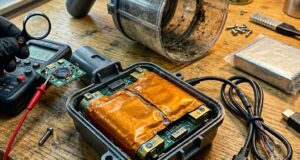
| The Naked Motor Test | Run the vacuum for 10 seconds with the dust cup and HEPA filter completely removed. | If the air still smells like ozone or burning plastic, the odor is a mechanical failure (melting wire enamel or worn motor brushes), not a dirty filter. |
| The Sunlight Transparency Test | Hold the dry filter up to bright sunlight and inspect the inner creases of the pleats. | If you see dark gray, yellow, or black spotty discoloration deep inside the creases, mold colonies have permanently taken root inside the fiber structure. |
| The Static Sniff Evaluation | Smell the unpowered filter assembly directly after it has sat inside a warm car for an hour. | If it smells sour while completely cold, the filter medium has reached maximum volatile organic compound (VOC) saturation. It can no longer hold odors. |
4. Systemic Objections & Strategic Clarifications
Objection 1: “My car vacuum manual says the HEPA filter is fully washable. If I wash it with soap and water every week, it shouldn’t smell sour.”
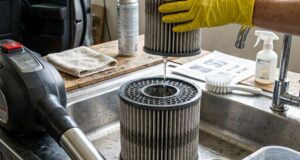
Answer: Washing a filter incorrectly can actually worsen the odor. If you rinse a dense HEPA filter and reinstall it in the vacuum before it is 100% dry to the core (which takes a full 24 to 48 hours indoors), you trap stagnant moisture inside the tight fiberglass weave. This creates an immediate breeding ground for mildew. Furthermore, scrubbing the pleats with harsh chemicals can warp the fibers, creating micro-tears that compromise suction while permanently trapping odors.
Objection 2: “Can’t I just spray a heavy dose of chemical fabric freshener or aerosol perfume directly into the intake nozzle while the vacuum is running to mask the smell?”
Answer: Never do this. Spraying liquid aerosols, oils, or chemical perfumes directly into a running portable vacuum is a severe safety hazard. The high-speed motor brushes create tiny internal electrical sparks. Aerosol propellants are highly flammable and can ignite inside the housing. Additionally, the wet chemicals will coat the dry dust already sitting on the HEPA filter, turning it into a dense, impermeable mud paste that suffocates the motor and permanently ruins the vacuum’s suction capability.
Objection 3: “If I only use my vacuum for dry leaves and outside gravel on my floor mats, there is no food or water inside. Why does it still smell like old dust?”
Answer: Road dust and decaying organic matter from dry leaves carry wild bacterial strains and outdoor fungi. When these particles are pulled into the collection bin, they breakdown under the intense heat generated by the vacuum’s high-RPM motor. The fine dust particles carry these odors straight into the filter pores. Dust itself is highly absorbent and drinks up the ambient odors of your car (like stale air, sweat, or old plastic), concentrating those scents inside the filter body.
5. Protocols to Maintain a Fresh, Odor-Free Vacuum
To guarantee your detailing gear never ruins the air quality of your vehicle cabin while you clean your car mats, adopt these structural maintenance habits:
- The Sun-Baking Decanting Method: After washing a synthetic HEPA filter with cold water, skip the dark laundry room counter. Place the filter outside under direct, hot sunlight for a few hours. UV rays act as a natural disinfectant, destroying the cellular walls of bacteria and mold spores trapped deep within the fiberglass creases that water alone cannot wash away.
- Employ Baking Soda Pre-Treatments: If you are dealing with a car interior that has persistent smoke or pet odors, lightly sprinkle a thin layer of cosmetic-grade baking soda onto your floor carpets ten minutes before vacuuming. The baking soda will absorb surface moisture and neutralize acidic scent compounds on contact, coating the inside of your vacuum filter with an odor-neutralizing shield during your cleaning passes.
- Isolate Gear from Cabin Humidity: Do not leave your vacuum stored inside your car’s floor pockets or trunk indefinitely. Bring the unit indoors to a climate-controlled room between cleaning sessions. Keeping the hardware in a low-humidity, air-conditioned environment stops the development of mold spores and keeps your internal components completely dry and odor-free.
A sour exhaust scent from your portable car vacuum is a clear signal that the filter medium has transitioned from a protective barrier into a trap for decaying organic matter. By dry-venting the housing after every cleaning session, avoiding damp surfaces, and allowing your washed filters to cure completely under direct UV sunlight, you can ensure your detailing gear leaves your car cabin looking clean and smelling crisp.