You spend money on a high-RPM, sleek handheld cleaner to keep your car’s footwells, console cracks, and trunk space pristine. The first time you use it, it rips through embedded beach sand and dried mud effortlessly.
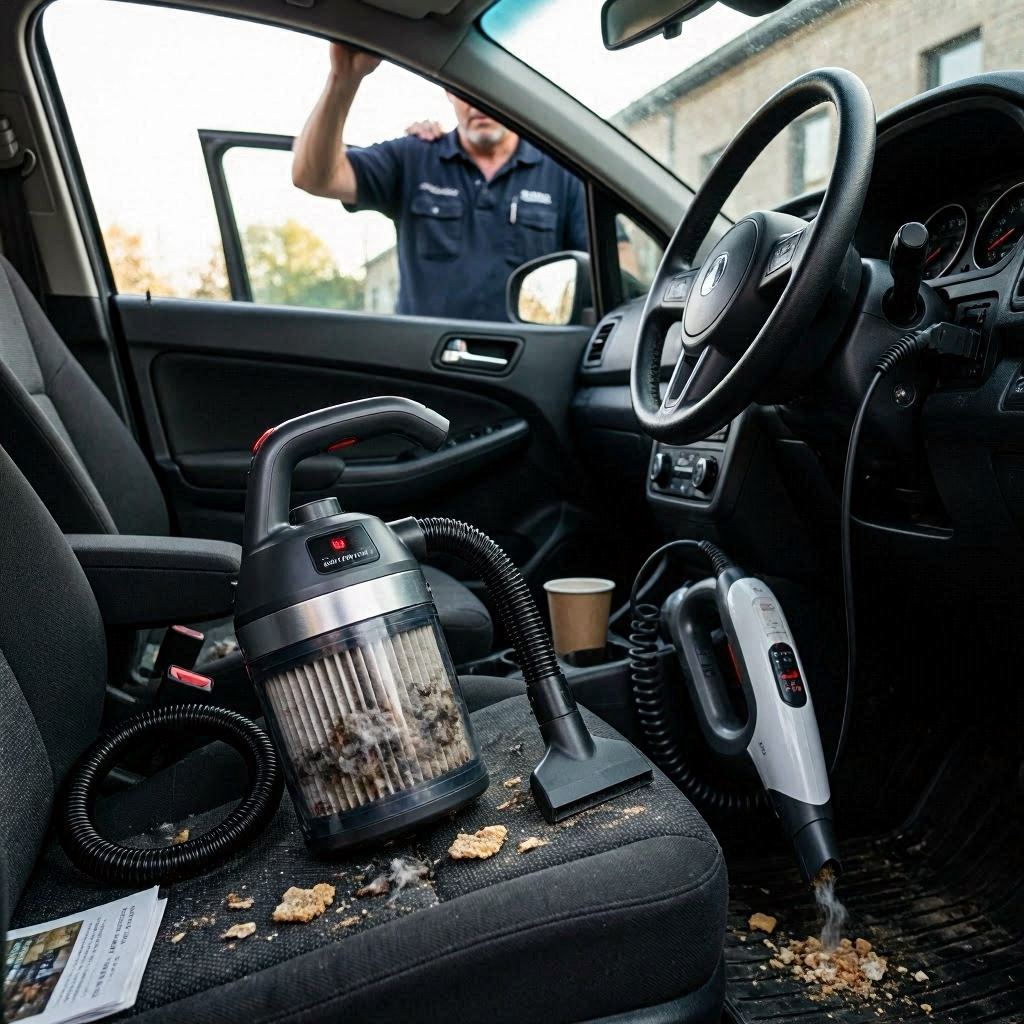
Fast forward four weeks. You plug it into your 12V accessory port or grab it off its wireless charging dock, power it up, and watch it struggle to pull a light piece of pet hair off your seat bolster. The motor is screaming at full pitch, but the actual suction feels non-existent.
When drivers hunt for the best portable car vacuum, they scan the marketing metrics that look good on a box: raw Pascal (Pa) suction ratings, brushless motor RPMs, and sleek cordless profiles. But the fatal flaw of car detailing tech isn’t peak power—it’s suction retention. The unique, high-friction environment of a vehicle cabin degrades airflow loops faster than any standard household cleaner.
Here is the raw, point-to-point autopsy of why your portable car vacuum is losing its pulling power, the new engineering hurdles driving this drop-off, and how to outsmart the system.
1. The Micro-Friction Bottleneck: Automotive Ash and Silt
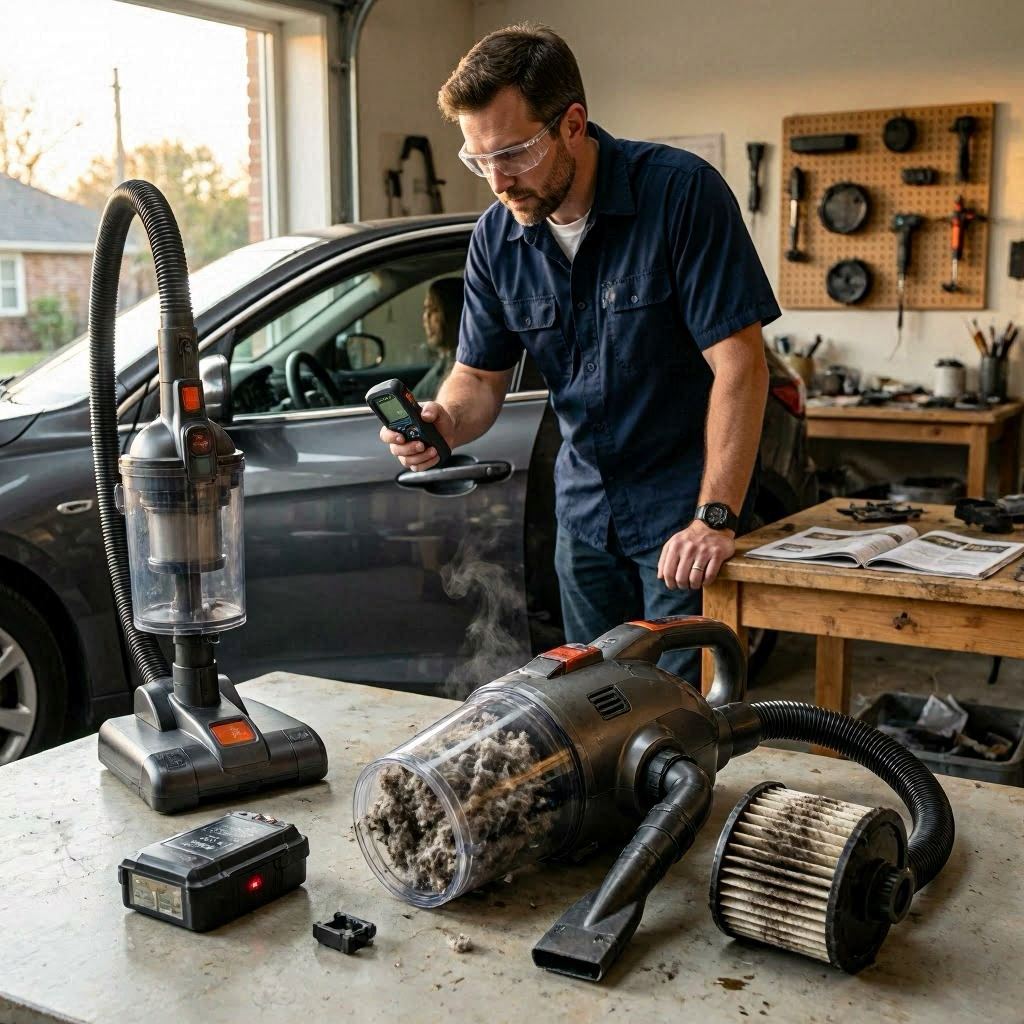
Household dust consists mostly of soft skin cells and fabric fibers. Car interior debris is fundamentally different—it is composed of heavy road silt, concrete dust, and microscopic tire wear particles tracked in by your shoes.
- The Immediate Pore Clog: When you run even the best portable car vacuum over floor mats, the high-velocity airflow pulls up ultra-fine mineral silt.
- The Static Shield: Because car vacuums rely on miniature HEPA or dual-mesh filters with tiny surface areas, this micro-silt doesn’t just sit in the dust cup. The high-speed friction creates a static charge, causing the fine dust to bind instantly into the microscopic pores of the filter material.
- The Result: Within less than 10 minutes of real-world cleaning, the filter’s surface area is choked out by an invisible wall of dust, cutting raw airflow by up to 50% while the motor spins blindly.
2. The 12V Voltage Sag: Corded Inefficiencies
If you are using a car vacuum that plugs directly into the cigarette lighter/12V auxiliary outlet, your suction drop-off might be an electrical supply issue rather than a structural clog.
Vehicle Engine Off (12V Base Power)
       │
       ├──► Vacuum drawing max amps from a cold battery
       │
       └──► Voltage drops instantly to 11.5V or lower
               │
               └──► Micro-motor losing RPM capacity
                       │
                       └──► Suction output drops off lineally mid-clean
- The Wire Resistance Trap: Most budget-to-midrange portable vacuums use cheap, thin-gauge copper-clad aluminum wires inside their 10-foot cords to save manufacturing costs.
- The Heat Tax: As you pull continuous current through that long, thin wire to reach your trunk, the wire heats up. Increased heat equals higher electrical resistance. This causes a major voltage drop before the power ever hits the vacuum motor, leading to a noticeable fade in suction power the longer the unit remains plugged in.
3. The 2026 Thermal Throttling Crisis in Cordless Models
To compete for the title of the best portable car vacuum, cordless manufacturers are packing incredibly high-voltage, high-RPM brushless motors into tiny, unventilated plastic tubes. This has introduced a massive thermal obstacle.
Lithium-Ion Heat Dumps
- Running a vacuum at 15,000+ Pa of suction requires a massive energy draw from its internal 18650 lithium battery pack.
- Inside a hot car cabin (especially during summer detailing), the battery cells heat up rapidly within minutes of continuous “Turbo” operation.
- To prevent the battery cells from swelling or catching fire, the internal Battery Management System (BMS) automatically forces the motor to scale back its power consumption, dropping your high-velocity suction down to a low-power eco mode without alerting you via the interface.
Sealed Air Cooling Failures
- Standard home vacuums use the exhaust air they pull in to cool down the internal motor.
- But when you wedge a car vacuum crevice tool deeply into a tight seat gap or under a seat rail, you temporarily choke off the air intake.
- With zero incoming airflow to cool the motor, internal temperatures skyrocket instantly, forcing the thermal sensors to throttle the performance to protect the internal plastic fan blades from warping.
4. The Flex-Hose Leak Paradox
Many portable car vacuums utilize click-on extension hoses or rubberized crevice attachments to reach down into the tight channels between the center console and the front seats.
- The Seating Distortion: Because these units are tossed into trunks or stored under passenger seats, they are subjected to intense structural storage strain and extreme cabin heat cycles.
- Micro-Gap Leaks: The plastic connection points and rubber O-rings warp by mere fractions of a millimeter over time. When you turn the vacuum on, these warped fittings allow outside air to seep in from the side of the nozzle rather than pulling exclusively through the tip of the tool, destroying the focused vacuum pressure needed to lift heavy dirt from car carpets.
5. Suction Recovery Protocol: A Tactical Maintenance Guide
If your portable cleaner is failing to lift debris off your floorboards, stop running the motor and execute these exact mechanical resets:
| Component | Common Failure Mode | Immediate Fix Action |
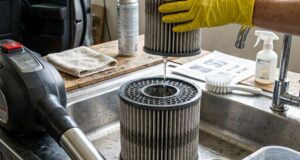
| Primary HEPA Filter | Deeply embedded micro-silt clogging fabric pores | Tap out loose dirt, wash with cold water, and let dry fully for 24 hours |
| Nozzle Connection Joint | Warped plastic fittings leaking air pressure | Apply a single layer of electrical tape around the accessory male joint for an airtight seal |
| Cordless Battery Pack | Thermal throttling due to cabin heat exposure | Let the unit cool down in an air-conditioned space before starting a high-power clean |
| Dust Cup Check-Valve | Rubber flap jammed open by a stray coin or pet hair | Clean out the intake hinge so air can’t backflow when the motor stops |
6. How to Shop for a Real Suction-Retaining Car Vacuum
If you are ready to replace your failing unit and are hunting for the best portable car vacuum that won’t lose its pulling power midway through a detail job, shift your purchasing specs toward these parameters:
- Multi-Stage Cyclonic Separation: Avoid vacuums where dirt flies straight onto the filter screen. Look for units that use internal cyclonic vortexes to spin heavy sand and gravel away from the filter and down into the bottom of the dust bowl. This keeps the filter clean and preserves airflow.
- True 45W-50W Power Deliveries via Type-C PD: If buying cordless, select 2026 models that utilize Power Delivery (PD) fast-charging protocols and multi-cell configurations. These architectures handle high-amp draws with minimal thermal throttling.
- Stainless Steel Primary Mesh Over-Filters: A fine metal pre-filter catching pet hair and large grit before it can ever touch the internal paper HEPA filter stops immediate pore-clogging and maintains sustained suction all day long.
A portable car vacuum doesn’t lose its suction because the motor is dying; it loses power because it is choking on the unique, harsh nature of road grit and automotive cabin heat. If you stream power through a hot 12V line, seal off the intake airflow in tight seat cracks, or let fine sand plug up a tiny unwashed filter, even the most expensive hardware will fail. Clean your filters systematically after every single detailing session, keep the connections sealed tight, and choose cyclonic airflow layouts over simple paper-cup configurations.